
CONDITIONS WE TREAT
Trauma and PTSD treatment
Trauma is not only what happened. It is what stays with you afterward: in your body, your sleep, your relationships, and how safe the world feels.
Our virtual intensive outpatient program and EMDR therapy give adults in California a structured, paced way to work with it.

IN SHORT
Trauma, PTSD, and when an IOP helps
PTSD is when the effects of a traumatic event, such as intrusive memories, nightmares, avoidance and feeling constantly on guard, last more than a month and disrupt daily life. An intensive outpatient program (IOP) fits when those effects are getting in the way of work, sleep or relationships and you want trauma work with more support around it.
At Kin, adults in California build stabilization skills in groups by video first, then can do EMDR inside the program, in person in Fountain Valley or by video.
CONDITIONS WE TREAT
Trauma related conditions we treat
Posttraumatic stress disorder (PTSD)
Intrusive memories, nightmares, or flashbacks, avoiding reminders, feeling on guard, and changes in mood and beliefs that last more than a month after a traumatic event.
Complex trauma
The effects of trauma that happened repeatedly or over a long time, often in childhood or in close relationships. It can affect how you manage emotions, how you see yourself, and how you connect with others. The international diagnostic system (ICD-11) recognizes this as complex PTSD.
Acute stress disorder
Trauma symptoms in the first days and weeks after an event. Early support can help.
Childhood and developmental trauma
Neglect, abuse, or growing up in chaos, and the ways it can still shape adult life.
We also offer the ACE score assessment, a short questionnaire that helps you understand your potential risks for mental health and health outcomes, and how building resilience creates a barrier to future problems. ACE questionnaire for adults (PDF)
Relational trauma
Trauma from partners, family members, or others you trusted, including emotional abuse and controlling relationships.
Medical and birth trauma
Distress that lingers after a frightening medical event, a hospital stay, or a difficult birth.
Traumatic grief
Grief after a sudden, violent, or unexpected loss, where the way someone died is hard to stop replaying.
Dissociation
Feeling detached from your body, your surroundings, or time, often as a way the mind protected itself.
SIGNS
Signs it may be time for more support
How it can feel
Memories or images that intrude without warning
Feeling unsafe, on guard, or easily startled
Numbness, or feeling disconnected from people you love
Shame, guilt, or blaming yourself for what happened
How it can show up
Nightmares or trouble sleeping
Avoiding places, people, or conversations that remind you
Strong reactions that feel bigger than the moment
Trouble trusting others or feeling close
Losing time or feeling spaced out
LEVEL OF CARE
Is IOP the right level of care for trauma?
A good fit when
Nightmares, flashbacks or avoidance are disrupting work, sleep or relationships
Weekly therapy has opened up the trauma but you need more support between sessions
You want EMDR with groups and skills around it, not on its own
You are stepping down from a hospital stay or a partial hospitalization program (PHP)
Start with a higher level of care, or with safety planning, when
You have thoughts of suicide with a plan or intent (call or text 988, or call 911)
You are in an unsafe living situation or relationship right now
Dissociation is so frequent that it is hard to stay safe day to day
Weekly therapy may be enough when symptoms are mild or you mainly want to talk through one event. See how IOP and PHP compare.
What we are
Virtual, across California. Groups and individual sessions by video, from wherever you can close a door.
An office in Fountain Valley. 8780 Warner Ave, Ste 11, for in person EMDR and for anyone who would rather be in the room.
One team, not a referral chain. Your therapist and your prescriber work together on the same plan.
HOW WE TREAT IT
How we treat trauma and PTSD
SAFETY AND STABILIZATION FIRST
Groups on the nervous system, the window of tolerance, and grounding and containment skills, so you have ways to steady yourself before deeper work. How the program works
EMDR
A structured trauma therapy that helps distressing memories carry less charge, part of the program, in person at our Fountain Valley office or by video. About EMDR
THERAPY FOR THE WHOLE STORY
Trauma informed individual therapy, DBT skills, and depth psychology oriented work on the patterns trauma can leave in relationships. Meet the team
GROUPS AND PROGRESS
Groups for trauma, and how we track progress
Groups you may join
Fight, Flight, Freeze and Fawn (psychoeducation): the body’s survival responses and why they can fire long after the danger has passed.
Window of Tolerance (polyvagal informed): noticing when you are too revved up or shut down, and how to come back.
Grounding and Containment Toolkit (DBT): skills to steady yourself during a flashback or a hard memory.
Trauma and Relationships (psychodynamic): how past hurt shapes trust and closeness now.
Self Compassion After Trauma (ACT): working with shame and self blame.
How we track progress
When trauma is part of what brings you in, we use the PCL-5, a 20 question PTSD checklist, at intake and then monthly. Your therapist uses the scores when updating your treatment plan, including when to start EMDR.
RELATED CONDITIONS
What often comes with trauma
Often comes with
Depression: trauma can keep low mood going.
Anxiety and panic: feeling on edge and easily startled.
Relational patterns: trust, attachment and boundaries after hurt from people close to you.
Borderline personality patterns: often tied to early trauma.
Birth trauma: distress after a frightening birth.
Key facts
In a national survey, 3.6% of US adults had PTSD in the past year, and 6.8% will at some point in their lives.
Past year rates were 5.2% for women and 1.8% for men.
Source: National Institute of Mental Health, Post Traumatic Stress Disorder statistics (National Comorbidity Survey Replication).
QUESTIONS
Common questions
Do I have to talk about what happened in detail?
No. Many trauma therapies, including EMDR, do not require you to retell everything. You set the pace.
What if I do not remember everything?
That is common after trauma. Treatment works with what you do remember and how it affects you now.
Is it safe to do trauma work by video?
For many people, yes, and it can feel easier from a familiar space. We build stabilization skills first and check in on what fits you.
When does EMDR start?
After you have some grounding and containment skills. You and your therapist decide together when you are ready.
Is EMDR included or extra?
EMDR is part of the IOP. We do not offer it on its own.
Will people in group hear the details of what happened to me?
No. Trauma groups focus on skills and on how trauma affects you now. You choose what to share.
What is the difference between trauma and PTSD?
Trauma is the event and its effects. PTSD is a specific diagnosis, made when certain symptoms last more than a month and disrupt daily life. You do not need a PTSD diagnosis to get help here.
Is treatment covered by insurance?
Most major PPO and HMO plans are accepted, including Cigna, Aetna, Anthem, Blue Cross Blue Shield, and United. Call 949.706.8610 or send us a message and we will verify your benefits before you commit to anything.
If you are in crisis or thinking about harming yourself, call or text 988 (Suicide and Crisis Lifeline) or call 911. Our program is not an emergency service.
Clinically reviewed by Angelina DeSanto, LCSW, Clinical Director. Medically reviewed by Dr. Joe DeSanto, MD, Medical Director. Last updated October 2026.
Other conditions we treat: Depression and mood disorders · Anxiety and panic · ADHD and OCD · Personality disorders · Burnout, grief, and life stress · Women's mental health · Men's mental health · Relationships and codependency
Where we serve: Orange County · Los Angeles · Inland Empire · San Diego · Bay Area · Sacramento · Central Valley · Ventura and Santa Barbara · North State · all 58 counties
In Orange County: Trauma, PTSD and EMDR in Orange County
WHO YOU WOULD WORK WITH
A small team you will actually get to know
Kin Wellness is run by its clinicians. The people below are the people in your groups, and the full team is on the Team page.
Cofounder and Clinical Director, LCSW #80761, Ph.D Candidate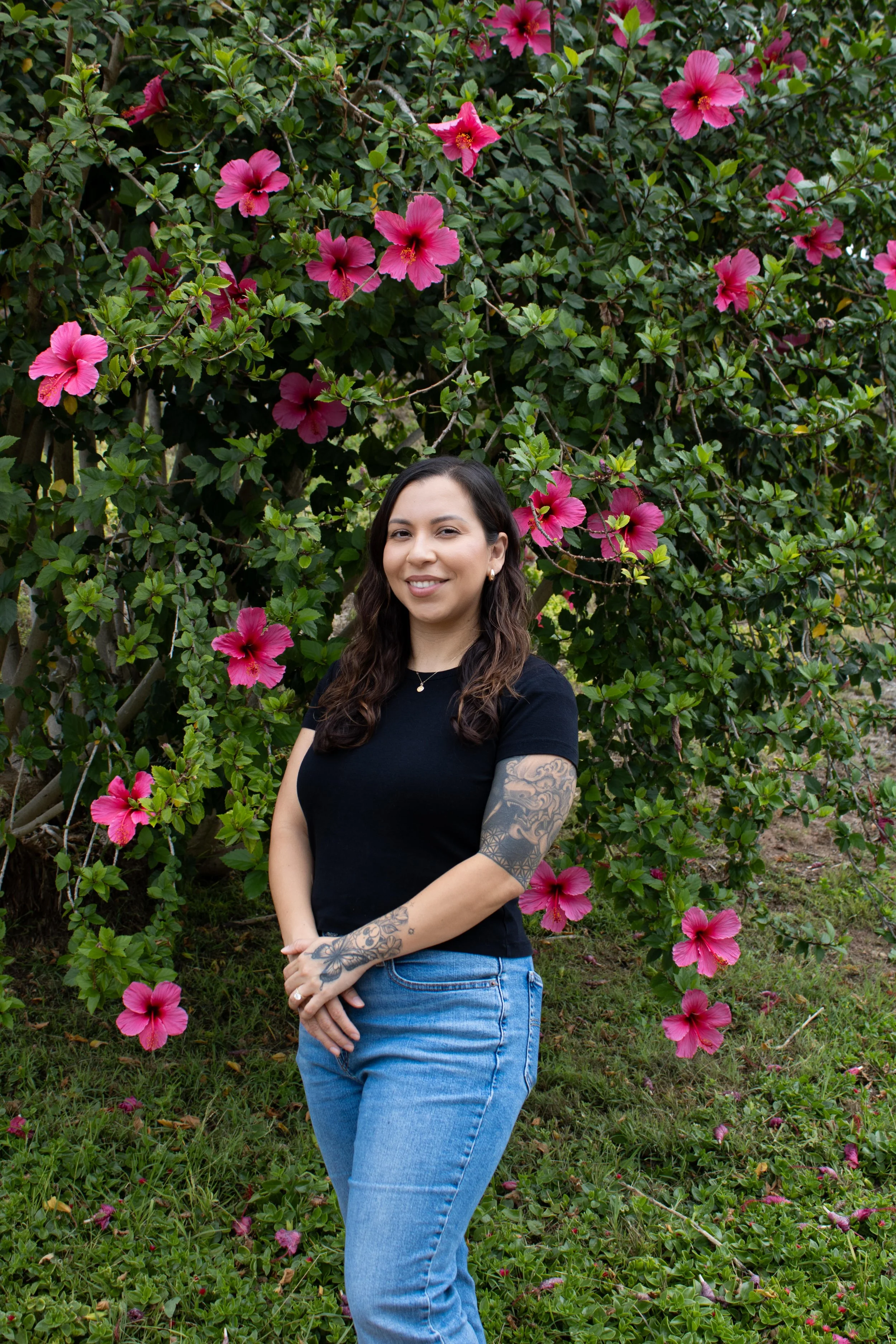
Paola Mercado Demeza, AMFT
Cofounder and Lead Clinical Therapist, Registered Associate Marriage and Family Therapist #15190. Supervised by Angelina DeSanto, LCSW, Ph.D Candidate

Dr. Joe DeSanto, MD
Angelina DeSanto, LCSW
Medical DirectorLET US HELP
Tell us how to reach you
Tell us how to reach you and someone from our team will call you back. The first conversation is short and confidential: what has been going on, what your questions are, whether this is the right level of care for you, and what it would cost with your insurance. There is no obligation to enroll, and if it is a fit you can start right away.
Prefer to call?
949.706.8610
Office hours Monday to Friday, 9 AM to 8 PM Pacific. In person care at 8780 Warner Ave, Ste 11, Fountain Valley CA 92708.